Africa has one of the most recognizable narratives in the world.
That would not be a problem if Africans controlled most of it.
But that’s the uncomfortable part of the conversation many institutions still avoid.
For decades, the continent has been interpreted through external cameras, external headlines, external priorities, and sometimes external imagination altogether. Entire generations grew up consuming versions of Africa that often felt incomplete even when they were globally accepted as truth.
And the strange thing is how normal that became.
People adapted to seeing Africa introduced through crisis before context. Through struggle before innovation. Through statistics before humanity. Even success stories were sometimes framed as exceptions, as though progress itself required explanation whenever it emerged from the continent.
Eventually, many people stopped questioning the framing.
But African narrative ownership changes the conversation entirely because it forces a deeper question beneath visibility itself.
Who decides what becomes the dominant story?
That question matters more now than it did ten years ago because narratives no longer move only through newspapers or television stations. They move through algorithms, streaming platforms, digital archives, podcasts, short-form videos, search engines, and online education systems that quietly shape how societies understand themselves and each other.
Narrative control has become infrastructure.
And infrastructure shapes power.
That is why African narrative ownership is no longer simply about storytelling. It is about institutional influence, cultural memory, economic positioning, and long-term identity preservation in a digital world that rewards visibility but rarely guarantees accuracy.
The continent is experiencing a strange contradiction at the moment.
African music influences global culture. African fashion is increasingly visible internationally. African creators are building audiences independently online. More young people are documenting local realities from inside their own communities instead of waiting to be interpreted externally.
Yet despite this progress, many foundational narratives about Africa still feel imported back to Africans through outside systems.
That tension creates confusion.
Because visibility without ownership can still distort reality.
A story told globally is not automatically a story controlled locally.
And control matters because narratives influence more than reputation. They shape investment decisions, educational priorities, institutional confidence, tourism perceptions, political assumptions, and even how younger generations understand their own value.
People rarely notice how deeply narratives affect development until damage has already settled into public consciousness.
The issue becomes even more serious when institutions fail to recognize narrative ownership as a strategic priority rather than a cultural side discussion.
Some educational systems still teach history without connecting it to modern digital influence. Some institutions embrace international visibility while neglecting local archival systems. Some organizations celebrate African creativity publicly while depending entirely on external platforms to preserve or distribute it.
That dependence creates long-term vulnerability.
Because if a society does not document itself properly, someone else eventually will.
And they may not document it with the same priorities, nuance, or cultural understanding.
This is why African narrative ownership cannot be reduced to social media activism or occasional conversations about representation. The issue is much larger than visibility politics.
It touches education. Technology. Media. Institutional memory. Digital sovereignty. Cultural continuity.
Even language itself becomes part of the discussion. Entire generations are growing up online inside systems where African languages remain underrepresented despite the continent’s cultural depth. That absence quietly shapes perception over time.
People begin thinking in imported frameworks because local frameworks become digitally invisible.
And invisibility has consequences.
Cultures that fail to adapt their narratives to evolving systems often find themselves remembered through fragmented versions of reality designed elsewhere.
Africa has already experienced enough of that historically.
Which is why the current moment matters.
For the first time in a long time, young Africans are beginning to build independent narrative ecosystems at scale. Independent publishers, creators, educators, designers, filmmakers, and digital communities are shaping conversations without waiting for institutional permission.
The shift is subtle, but important.
People are beginning to realize that African narrative ownership is not about rejecting global participation. It is about entering global conversations without abandoning contextual truth.
There is a difference.
Because ownership does not mean isolation. It means authorship.
It means African institutions preserving their own archives instead of outsourcing memory. It means creators documenting complexity instead of simplifying identity for algorithms. It means educational systems teaching students not only how to consume information, but how narratives themselves are constructed.
Most importantly, it means understanding that whoever controls the narrative eventually influences the future built around it.
That reality applies to continents just as much as individuals.
And perhaps that is why African narrative ownership matters so deeply now.
Not because Africa lacks stories.
But because the continent can no longer afford to let others consistently define which stories deserve permanence.
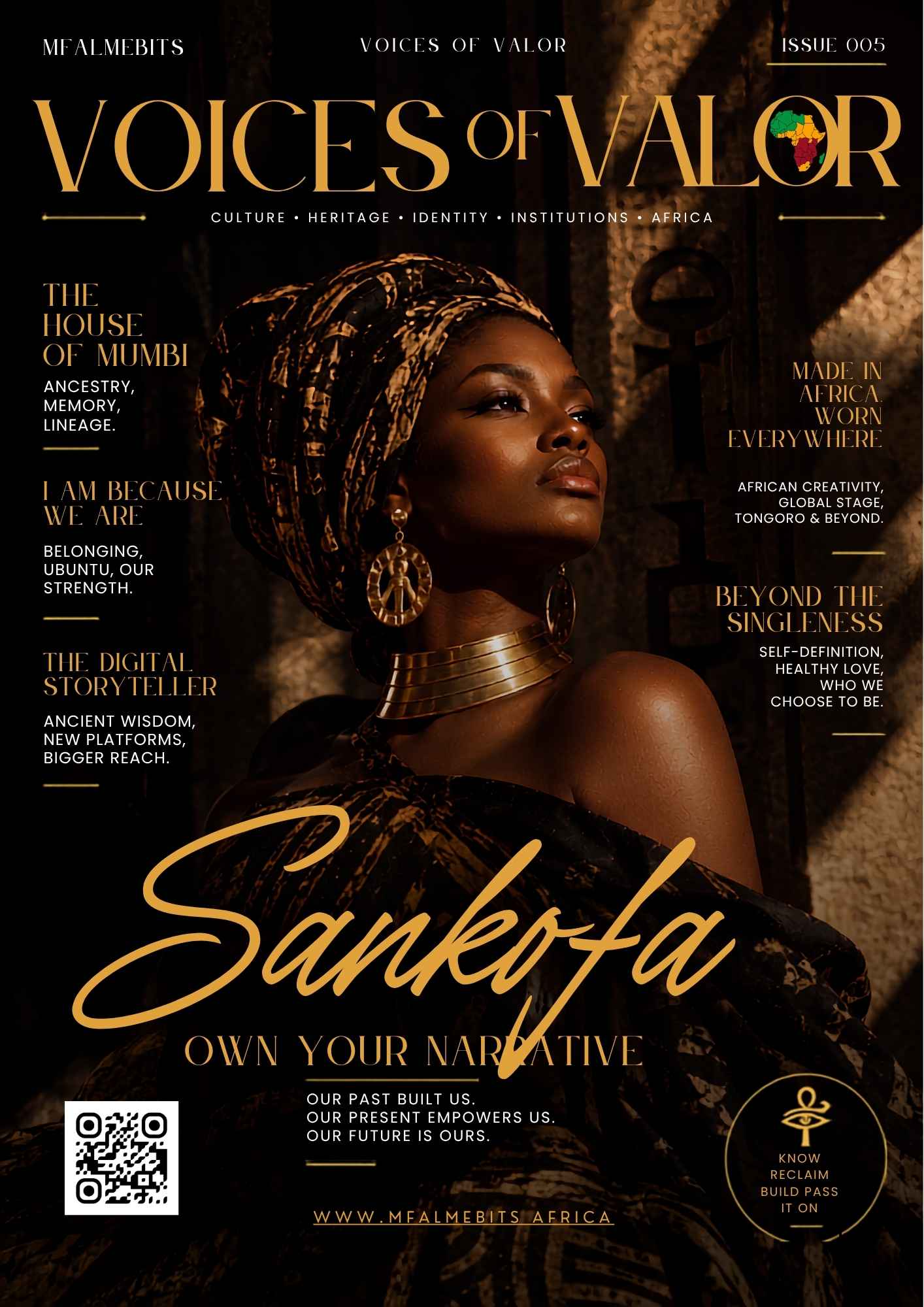
Cultural Sovereignty
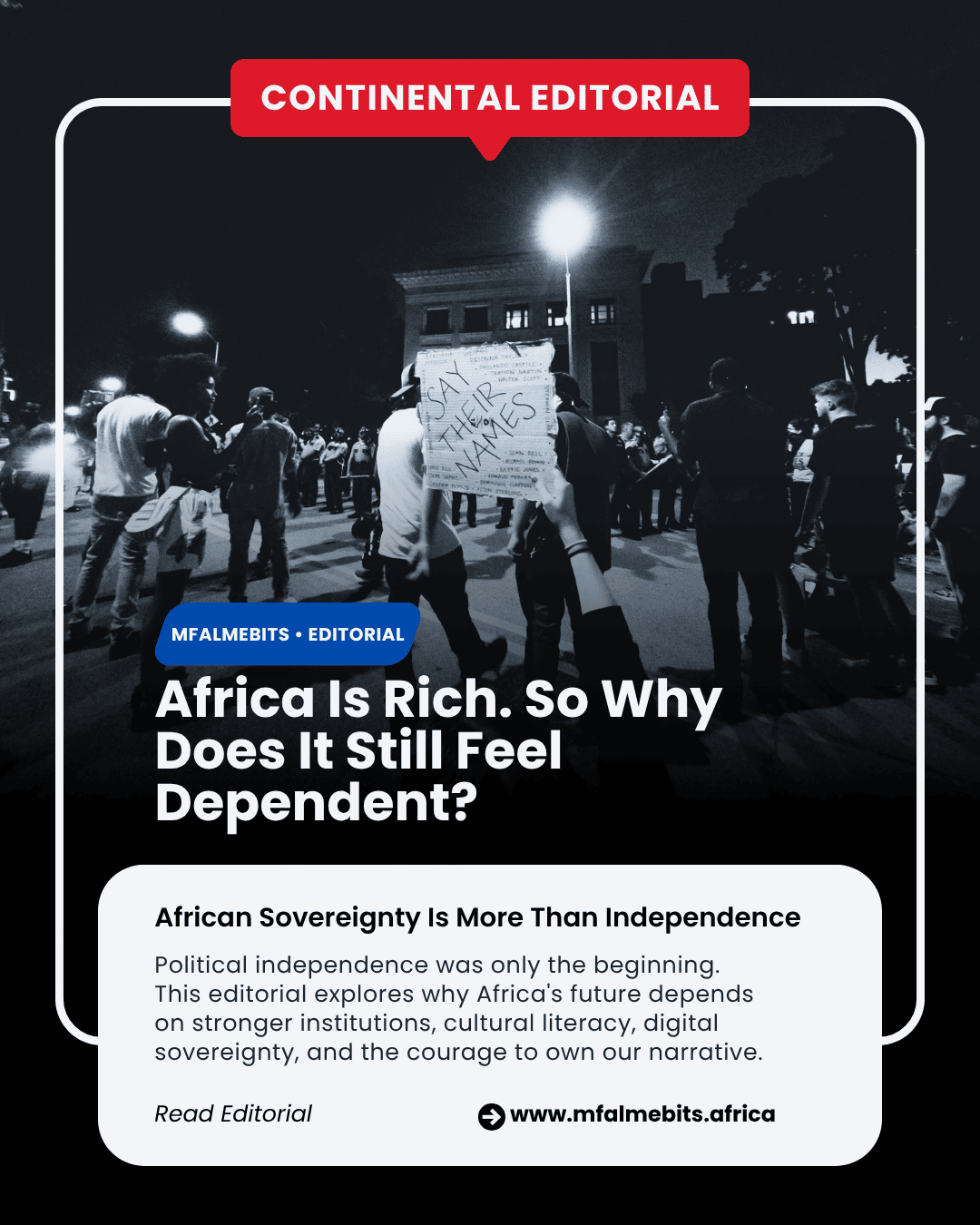
Who Controls the African Narrative?

African narrative ownership is no longer just about storytelling — it is about who shapes memory, perception, and the future of the continent itself.

No comments yet. Be the first to share your thoughts!